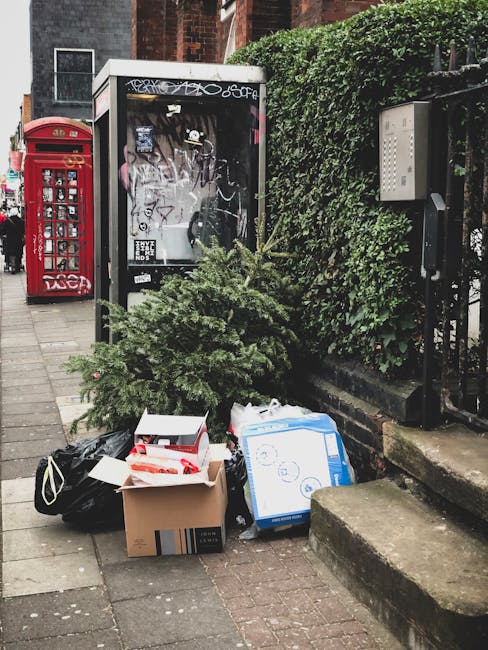
Rubbish removal West London guide for Chiswick W4 residents

If you live in Chiswick W4, rubbish can build up faster than you expect. A broken wardrobe in the hallway, garden waste after a weekend tidy-up, builders' rubble from a kitchen refresh, or just years of "we'll deal with that later" items in the garage - it all turns into one awkward job. This guide to rubbish removal in West London for Chiswick residents is here to make the whole thing feel simpler, safer, and a bit less annoying.
Truth be told, most people don't need a complicated waste plan. They need a clear answer: what should go, how it gets collected, what to check before booking, and how to avoid a messy surprise on the day. Let's walk through it properly.
Why Rubbish removal West London guide for Chiswick W4 residents Matters
Chiswick is one of those places where homes, flats, shops, and offices sit close together, which is lovely until bulky waste starts taking over the usable space. A single sofa in a narrow hallway can make a flat feel tiny. A pile of garden trimmings can turn a neat outside area into a damp, untidy corner. And if you're doing renovations, even a modest amount of builders' waste can get in the way of everyday life fast.
For W4 residents, the issue is not just about "getting rid of stuff." It's about doing it in a way that fits London living: limited parking, tight access, busy roads, and neighbours who would quite like their pavement back, thank you very much. A good rubbish removal plan saves time, reduces stress, and helps you avoid the trial-and-error approach that often turns one weekend job into three.
There's also a practical side. Waste that sits around too long can attract pests, create odours, and become a safety issue. That matters in family homes, shared buildings, and commercial spaces alike. If you're clearing a property, moving out, or preparing for letting or sale, a clean space simply presents better. You notice it immediately. So does everyone else.
For larger or mixed loads, many people in West London compare options like rubbish removal and waste removal before deciding what suits the job. If you're dealing with a broader clear-out, it can also help to look at rubbish clearance and waste clearance as more all-in-one options.
How Rubbish removal West London guide for Chiswick W4 residents Works
Most rubbish removal jobs follow a fairly straightforward pattern, though the details vary depending on the type and volume of waste. In simple terms, you identify what needs removing, get a quote or estimate, agree a collection time, and the team removes, loads, and disposes of the waste. Easy enough on paper. In real life, the value is in the preparation.
Here's what usually happens:
- You describe the job. That might be a few black bags, a sofa, old office furniture, post-renovation debris, or a full property clear-out.
- You share photos or a list. This helps the provider judge the volume and the type of items involved. It's often more accurate than guessing over the phone.
- A price or estimate is given. Responsible providers will be clear about what's included and what might change the final cost.
- A collection time is arranged. In busy parts of West London, timing matters because access, parking, and loading can affect the day.
- The waste is collected and loaded. Good teams work quickly, but not carelessly. They'll usually separate items where needed and handle heavier goods safely.
- The waste is taken for disposal, reuse, or appropriate processing. The exact route depends on what the items are and what condition they're in.
For furniture-heavy jobs, you may also need specific support such as furniture disposal or sofa removal. That matters because a sofa is not just "another item" - it can be bulky, awkward in stairwells, and difficult to move without causing damage. Anyone who has tried to twist a three-seater through a tight W4 landing knows the feeling. Not fun.
For a home-based job, a wider service like home clearance or house clearance may be more suitable, especially if there are loft, basement, or garage items mixed in.
Key Benefits and Practical Advantages
The obvious benefit is that your space is cleared. But the real value goes a bit deeper than that.
- Time saved: what could take you several trips can often be completed in one visit.
- Less physical strain: lifting heavy or sharp items is where a lot of DIY clear-outs go wrong.
- Better access: hallways, driveways, and storage spaces become usable again.
- Cleaner handover: useful for landlords, tenants, sellers, and businesses preparing premises.
- Reduced clutter pressure: clutter has a strange way of making a home feel unfinished, even if the rest is spotless.
- More practical sorting: mixed loads can often be handled sensibly instead of being crammed into random bins or left for later.
There's also a psychological benefit, and this is not me being dramatic. People underestimate how much mental friction clutter creates. A garage full of "maybe useful" items becomes a background task in your head. Once it's gone, the room feels different. Calmer, somehow.
For business owners, the advantages are just as clear. Offices, shops, and workspaces benefit from prompt collections, especially when old desks, packaging, or stored stock begin to spill into operating areas. A more ordered environment tends to support better day-to-day decisions. If your business needs that kind of support, business waste and office clearance are worth considering.
Who This Is For and When It Makes Sense
This guide applies to more people than you might think. Rubbish removal in Chiswick W4 is useful for homeowners, tenants, landlords, local businesses, contractors, estate managers, and anyone dealing with mixed waste that is too much for normal household bins.
It tends to make sense when you are dealing with any of the following:
- bulky furniture that won't fit in standard disposal arrangements
- garden waste after pruning, landscaping, or seasonal clearing
- builders' waste from a refurb, extension, or repair job
- garage or shed clutter that has built up over time
- an end-of-tenancy clear-out
- office upgrades or relocations
- single-item disposal that is awkward to move
- full-house or flat clearance needs
If you live in a flat near Chiswick High Road or on a street with limited access, the logistics alone can make private collection the more sensible option. Same goes if you're in a top-floor property and don't fancy carrying a broken wardrobe down the stairs while trying not to chip the wall. Which, let's be honest, most people don't.
For smaller homes and apartments, flat clearance is a good fit. For outdoor areas, garden clearance can be more efficient than trying to break everything down yourself. For garages, use garage clearance where the load is mixed and awkward.
Step-by-Step Guidance
If you want the smoothest possible result, it helps to treat rubbish removal like a small project rather than a rushed chore. Here's a sensible way to approach it.
1. Sort by category
Start with a rough split: general rubbish, furniture, green waste, builders' waste, electrical items, and anything potentially hazardous. You do not need perfection here. You just need enough structure to describe the job properly.
2. Identify the bulky items first
Big items drive the job size. A mattress, sofa, wardrobe, or pile of rubble changes the collection plan more than half a dozen bags do. If you can, list the largest items before anything else.
3. Measure access points
Doors, staircases, narrow corridors, side access, parking space, and lift availability can all matter. One small detail can save a lot of back-and-forth on the day. In London especially, access is half the job.
4. Check what should stay out of the load
Some items may need separate handling. That includes certain electricals, fluids, or anything with special disposal requirements. If in doubt, ask before collection rather than after. It avoids the awkward "actually, we can't take that" moment.
5. Choose the right service type
If you have a single sofa, a targeted service is usually best. If the property is being emptied, a full clearance may be more cost-effective. If you're comparing methods, it can help to look at rubbish collection alongside waste collection to see what's better for the volume you have.
6. Prepare the space
Move smaller items out of the way, open gates if needed, and make sure the load is reachable. If the collection team has to spend ten minutes navigating around items you could have shifted earlier, the job takes longer. Simple as that.
7. Confirm timing and payment details
Before the day, confirm the window, access instructions, and how pricing will be handled. A clear arrangement keeps everyone happier.
Expert Tips for Better Results
There are a few habits that make rubbish removal noticeably easier, especially in an area like Chiswick where homes vary from compact flats to larger terraces and family houses.
- Take photos in daylight. A quick shot in the morning usually gives a better view of the waste than a dim evening picture. It sounds obvious, but it helps.
- Be honest about the amount. Understating the volume rarely helps. A small overestimate is often safer than a painful surprise later.
- Keep mixed loads separated where possible. It's faster to handle and easier to explain.
- Move bikes, bins, and small furniture first. They often block the main item and make the collection slower than it should be.
- Think about neighbours and access. If parking is tight or access is shared, a little coordination goes a long way.
- Ask what happens next. People forget this one. Disposal matters, not just removal.
In our experience, the smoothest jobs are the ones where the resident spends ten minutes preparing and saves thirty minutes of hassle later. That's a good trade. Nobody is saying you need to turn your home into a logistics centre, just... a bit of planning helps.
If your job includes old cabinets, tables, or worn-out seating, it may be sensible to use a dedicated furniture route like furniture disposal rather than treating everything as generic waste. Small distinction, real difference.
Common Mistakes to Avoid
The most common mistakes are boring, but expensive in time and energy.
- Leaving everything until the last minute. This often leads to poor sorting and rushed decisions.
- Assuming all waste is the same. It isn't. Mixed loads can need different handling.
- Forgetting access issues. A van may be ready; the route to the waste may not be.
- Not checking item condition. Broken items with sharp edges need care.
- Choosing the cheapest option without understanding what is included. The lowest number is not always the best value.
- Underestimating volume. That one is common. A pile looks smaller from across the room, until you start moving it.
Another mistake is assuming a "clearance" service and a "collection" service mean exactly the same thing in every case. Sometimes they overlap, sometimes they don't. If you're clearing a room, a more comprehensive option such as waste removal or waste disposal may better match the job than a simple pickup. Worth checking, anyway.
Tools, Resources and Recommendations
You do not need a lot of tools to prepare for rubbish removal, but a few practical items can make life easier.
- Strong gloves: useful for sorting sharp or dusty items.
- Dust sheets or old blankets: protect floors and hallways while moving bulky items.
- Marker pens and bags: handy if you're grouping items by room or category.
- Phone camera: photographs help with planning and quoting.
- Trolley or sack truck: only if you already have one and know how to use it safely.
For homeowners tackling a large clear-out, services like house clearance and home clearance are often the most practical recommendations because they cover broad, mixed contents rather than just one type of item.
If your project is tied to a refurbishment or trade job, the relevant route may be builders waste. That's especially true if you've got broken plasterboard, timber offcuts, packaging, or mixed renovation debris. Different jobs, different handling. Simple really.
Law, Compliance, Standards, or Best Practice
Waste handling in the UK comes with responsibilities, even for ordinary household clear-outs. You do not need to become a compliance expert, but it helps to understand the basics.
The main point is this: waste should be handled by a responsible party and disposed of appropriately. If you are using a service provider, it is sensible to ask how they manage collection and disposal, especially for mixed or bulky loads. You want confidence that the job is being handled properly, not just removed from sight.
For residents, the best practice is straightforward:
- separate items that may need special attention
- don't mix hazardous materials with general rubbish
- be clear about access and item type
- keep records or confirmations where sensible, especially for business or landlord jobs
- avoid fly-tipping or informal disposal arrangements
Fly-tipping is one of those problems that always looks like someone else's issue until it turns into yours. Let's not go there. Use a proper service and ask sensible questions before the collection date.
For businesses in particular, a structured approach to business waste and office clearance helps keep operations tidy and reduces the chance of missed items or messy handovers during a move.
Options, Methods, or Comparison Table
Different rubbish removal methods suit different jobs. If you're not sure what to choose, the table below should help.
| Option | Best for | Pros | Watch-outs |
|---|---|---|---|
| Single-item collection | One sofa, bed, appliance, or bulky item | Simple, quick, focused | Not ideal if you have multiple rooms of clutter |
| Rubbish collection | Bagged waste or mixed small loads | Good for tidy, defined jobs | Can become less efficient for bulky items |
| Rubbish clearance | Mixed household or office clutter | Flexible and broad | Needs clear description of volume |
| House or home clearance | Whole-property or room-by-room clear-outs | Best for larger, more complex jobs | Usually more planning required |
| Builders' waste service | Renovation debris and trade waste | Suited to construction-style materials | Should be separated from domestic rubbish where possible |
The right choice usually comes down to the shape of the job, not just the amount. A few bags are not the same as a room full of furniture, and a renovation skip's worth of debris is a different beast again. If you pick the wrong option, you may end up paying for more than you needed, or asking for a second visit. Nobody wants that.
Case Study or Real-World Example
Here's a realistic example from the kind of work that often comes up in Chiswick W4.
A couple in a Victorian terrace near Chiswick had just finished redecorating the front rooms. They had an old three-seater sofa, two armchairs, a coffee table, a few boxes of worn-out household items, and some leftover packaging from the renovation. Not a huge clearance, but enough to clog the hallway and make the place feel unfinished.
At first, they thought about doing it themselves over two weekends. Then they looked at the staircase, realised the sofa would need a careful turn halfway down, and decided, quite sensibly, not to risk a chipped wall or a strained back. They booked a mixed collection instead, grouped the items by room, and cleared a route to the front door before the team arrived.
The result was simple: the job was handled in one visit, the hallway was free again, and the room felt complete. Small job, big relief. That's usually how it goes.
Because there was furniture involved, a targeted furniture service made sense, and for the general clutter the broader rubbish clearance approach was the right fit. No drama. Just a tidy finish.
Practical Checklist
Use this quick checklist before your collection day.
- Identify the main waste types in the load
- Separate furniture, green waste, and builders' waste if possible
- Take clear photos in daylight
- Measure any awkward access points
- Confirm parking or stopping space if relevant
- Remove valuables and important documents first
- Check whether anything needs special handling
- Decide whether you need rubbish removal, clearance, or a single-item service
- Clear a path to the main items
- Keep contact details handy in case the team needs access clarification
Quick takeaway: the best rubbish removal jobs are the ones that are described clearly, prepared simply, and matched to the right service from the start.
Conclusion
For Chiswick W4 residents, rubbish removal should feel practical, not complicated. The main job is to choose the right service for the type of waste you have, prepare the space properly, and make sure the collection day runs without needless friction. Whether you're clearing a flat, a family home, a garage, a garden, or a work site, the right approach saves time and avoids the usual London headaches.
The best results usually come from being honest about the volume, clear about the access, and realistic about what needs to happen next. Do that, and the whole process becomes much more manageable. And honestly, that's a relief.
If you're ready to sort your space and want a straightforward next step, Get a free quote today and see how much you can save.
Frequently Asked Questions
What counts as rubbish removal in Chiswick W4?
Rubbish removal usually covers the collection and disposal of unwanted items such as bagged waste, furniture, old appliances, garden waste, and mixed household clutter. The exact scope depends on the service and the type of items involved.
Is rubbish removal better than hiring a skip?
It depends on the job. Rubbish removal is often better for quick clear-outs, bulky items, and properties with tight access. A skip may suit longer projects, but it needs space, permits in some cases, and more loading work from you.
How do I know if I need rubbish clearance or house clearance?
If you are removing a few items or a moderate mixed load, rubbish clearance may be enough. If you are emptying rooms, a loft, a whole property, or several different spaces, house clearance is usually the better fit.
Can a rubbish removal service take a sofa or mattress?
Yes, many can, but these items are often handled as specific disposal jobs because they are bulky and awkward. It is wise to mention them clearly when arranging the collection.
What should I do before the collection team arrives?
Take photos, separate waste by category if you can, clear a route to the items, and remove anything you want to keep. A little prep helps the job move much faster.
Do I need to be at home during the collection?
Usually yes, or at least someone with access should be available. That avoids delays if the team needs guidance on which items to remove or where the waste is stored.
What if my waste includes builders' debris?
Builders' debris should be described clearly, as it may be handled differently from household waste. For renovation leftovers, a specific builders waste service is often the most appropriate route.
How can I avoid overpaying for waste removal?
Be accurate about the volume, provide photos, and choose the right service type. The most common mistake is booking something too broad or too small for the actual job.
Is garden waste included in general rubbish removal?
Sometimes it is, but garden waste is often better handled separately if you have a larger amount of cuttings, soil, or branches. A garden clearance option can be more efficient.
What happens to the waste after it is collected?
That depends on the item type and the service used. Good practice is for waste to be sorted and taken for the appropriate next stage, whether that is reuse, recycling, or disposal.
Can businesses in Chiswick use the same kind of service?
Yes, but businesses often need a more structured approach, especially for office furniture, stored stock, or mixed work waste. Business waste and office clearance services are commonly used for that.
How far in advance should I book a rubbish removal job?
For a simple load, short notice may be possible. For bigger clearances, awkward access, or time-sensitive jobs, it is smarter to book ahead so you can plan properly.
What if I am clearing a flat with narrow stairs?
Tell the provider in advance. Narrow stairs, tight corridors, and shared entrances can affect loading time and may influence the best way to handle bulky items.
Sometimes the difference between a stressful day and an easy one is just one clear decision made early. That's the honest version.